Designing a Second Home in Lake Tahoe: What to Know Before You Start


A Tahoe home should make life here easier—not give you another list of things to manage. From snow and storage to guests, durability, and designing from afar, here’s what to consider before furnishing or remodeling your mountain home.
Designing a second home in Lake Tahoe is different from designing a primary residence.
You might spend long summer weekends here, arrive with a car full of ski gear in the winter, host a houseful of friends over the holidays, and then leave the home untouched for weeks at a time.
Your home needs to work beautifully through all of it.
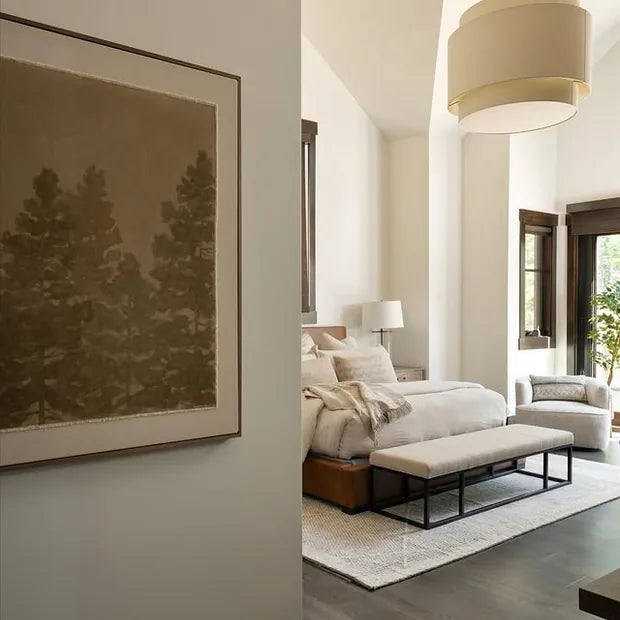
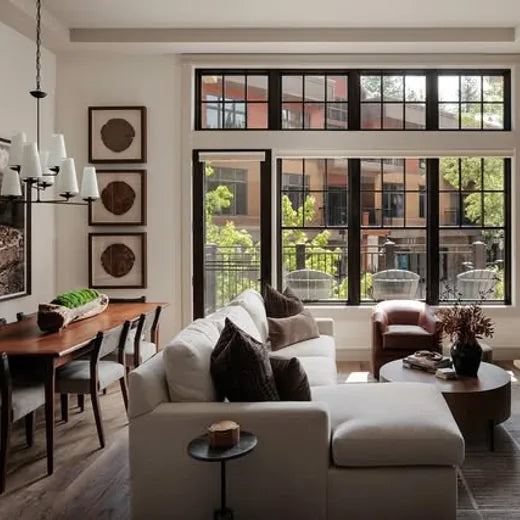
At Tahoe Modern, we design with that rhythm in mind. Our approach—what we call California Alpine—combines the warmth and natural materials of mountain living with the relaxed sophistication of California design.
But before we start thinking about the perfect sofa or stone selection, we think about something more important:
How do you want to live when you're here?
Here are some of the things we encourage second homeowners to consider before beginning a design project in Tahoe.

1. Design for How You Actually Spend Time in Tahoe
A second home can be more relaxed than a primary residence, but that doesn't mean it needs less thought.
In fact, we often find the opposite.
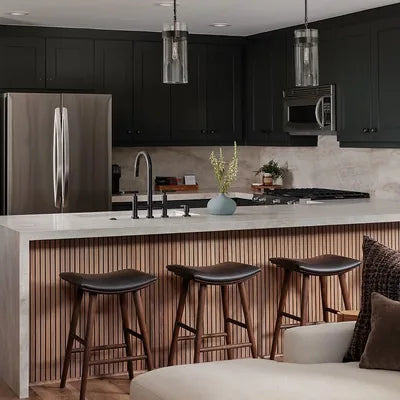
Start by thinking about what happens from the moment you arrive. Where do skis, boots, helmets, jackets, and wet gloves go? Where does everyone gather at the end of the day? Do you entertain? Will grandparents visit? Are teenagers bringing friends? Is the kitchen where everyone inevitably ends up?
Those answers should shape the design.
We love a beautiful room, but we love one that works beautifully even more.
For Tahoe homes, that often means generous gathering spaces, plenty of comfortable seating, thoughtful storage, durable materials, and bedrooms that make guests feel genuinely at home.
The best design decisions usually begin with real life.
2. Plan for Both Winter and Summer
It's easy to design a Tahoe home with winter in mind.
Fireplace. Cozy sofa. Wool throw. Done, right?
Not quite.
Tahoe homes have two very different personalities. Winter calls for warmth, texture, and places to settle in after a day outside. Summer is about open doors, long evenings, indoor-outdoor living, and a much lighter way of using the house.
We want the same home to feel right in both.
Instead of making the permanent elements overly seasonal, we tend to create a more timeless foundation and let smaller layers change throughout the year.
Natural woods, stone, warm neutrals, and tactile materials work beautifully in every season. Pillows, throws, greenery, and accessories can do the rest.
It's one reason we're big believers in the Everyday Edit: sometimes changing a few details is all a room needs to move into the next season.
3. Don't Underestimate the Mudroom
If there's one room that earns its square footage in Tahoe, it's the mudroom.
Snow boots. Ski boots. Jackets. Helmets. Backpacks. Dog leashes. Hiking shoes. Golf clubs. The miscellaneous pile that somehow accompanies every weekend in the mountains.
Good storage is essential to keeping all of that from migrating into the rest of the house.
Whenever possible, we plan for enclosed storage alongside easy-to-access hooks, benches, cubbies, durable flooring, and plenty of room for things to dry.
And yes, utility can still be beautiful.
A well-designed mudroom should feel like an intentional part of the house—not the room you close the door on when guests arrive.
4. Choose Materials That Can Handle Mountain Life
Second homes should be enjoyed.
That means we don't want our clients worrying every time someone sits on the sofa in ski pants or a dog comes inside with wet paws.
Performance matters.
We look for upholstery, rugs, flooring, and finishes that can stand up to real mountain living while still feeling elevated.
That doesn't mean everything needs to be indestructible or commercial-grade. It means being thoughtful about where you use certain materials.
A delicate textile might be beautiful on an accent chair in the primary bedroom. It might not be our first choice for the family-room sectional where six people, two kids, and a dog gather every weekend.
Luxury and livability don't have to compete.
For us, the best Tahoe interiors have both.
5. Make Room for More People Than You Think
There's something about having a house in Tahoe.
People visit.
A lot.
Designing for guests doesn't mean squeezing a bed into every available corner. It means thinking carefully about how the home functions when it's full.
Can everyone sit comfortably for dinner? Is there enough seating in the Great Room? Where do guests put their luggage? Are there bedside tables and reading lights? Is there a second gathering area where kids can disappear while the adults stay by the fire?
Guest bedrooms deserve thought, too.
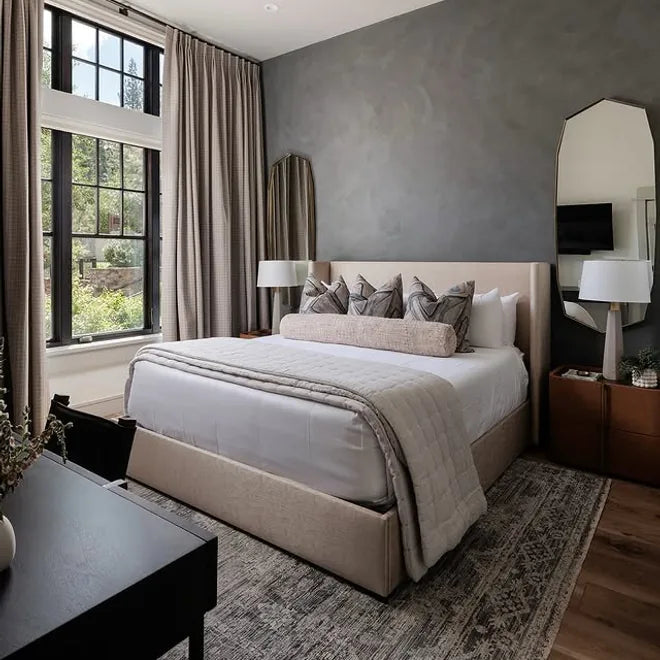
We want them to feel considered and welcoming without requiring the same investment as the primary suite. Good bedding, comfortable mattresses, functional lighting, and somewhere to set a bag go a long way.
6. Consider Scale—Especially in Great Rooms
One of the most common mistakes we see in mountain homes is furniture that's too small for the architecture.
Tahoe homes often have soaring ceilings, substantial fireplaces, large windows, and open floor plans. Furniture that looked generous in a showroom can suddenly feel tiny once it's placed in a two-story Great Room.
Scale becomes incredibly important.
A larger sectional, substantial coffee table, properly sized rug, or oversized light fixture can actually make a large room feel more intimate.
This is also where space planning before purchasing furniture becomes invaluable.
We'd much rather determine the right scale on paper than discover on installation day that the 8-by-10 rug should have been a 10-by-14.


7. Let Tahoe Influence the Design—Without Going Too “Mountain”
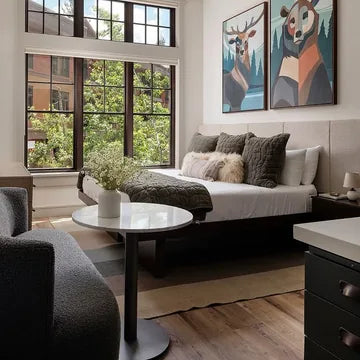
Your home can belong in Tahoe without having bears on the pillows.
For us, mountain design is less about motifs and more about materials, texture, warmth, and connection to the landscape.
We might pair reclaimed or warm-toned wood with cleaner architectural lines. Layer stone with soft upholstery. Bring in wool, bouclé, linen, leather, and other tactile materials. Use colors that feel pulled from the landscape rather than recreating it literally.
That's the foundation of our California Alpine aesthetic.
It sits somewhere between traditional mountain design and contemporary California living: warm but not rustic, sophisticated but not precious, modern without feeling cold.
Most importantly, it should feel comfortable.
This is Tahoe, after all.
8. Think About What Happens While You're Away
Second-home design isn't only about how a house functions when you're there.
It also needs to work when you're not.
Living plants may not be practical if the house sits empty for long stretches. Highly temperamental materials may require more maintenance than you want to manage. Certain furniture arrangements may make cleaning or property management unnecessarily difficult.
This is where seemingly small decisions can have a big impact.
It's also why we're unapologetic fans of really good faux greenery.
Your home should still look good when you arrive Friday evening—even if no one has been there to water the fiddle-leaf fig for three weeks.
9. Start With a Realistic Budget
Furniture is only one part of creating a finished home.
A complete design can include rugs, lighting, window treatments, art, bedding, pillows, accessories, freight, receiving, delivery, installation, and other project costs that are easy to overlook at the beginning.
We encourage our clients to establish the overall investment early so we can make smart decisions across the entire home.
For context, based on Tahoe Modern's internal project data, furnishing investments for our projects begin around $65,000–$88,500 for a 1,500–2,000-square-foot home, while homes of 4,000 square feet or more typically begin around $177,000.
Those aren't universal Lake Tahoe furnishing costs. They're planning ranges based on our own projects and the level of design and execution we provide.
Read our full guide: How Much Does It Cost to Furnish a Home in Lake Tahoe? →
10. If You Live Elsewhere, Decide Who Will Manage the Details
This might be the biggest difference between designing a primary home and a Tahoe second home.
You're probably not here all the time.
And interior design involves a surprising number of things that happen when you're not in the room.
Measurements need to be taken. Samples need to be reviewed. Orders need to be placed. Deliveries need to be received and inspected. Trades need access to the house. Damaged pieces need to be addressed. Furniture needs to be assembled and installed. Art needs to be hung.
Trying to coordinate all of that remotely can turn your second home into a second job.
Our Turn Key Design service was created specifically to solve that problem. We design, source, procure, receive, coordinate, and install the home so our clients don't need to be in Tahoe managing every step.
When everything is ready, you arrive to a finished home.
Read more: Turn Key Design—How We Furnish From Afar →
Your Tahoe Home Should Make It Easier to Be Here
Ultimately, that's what guides our design process.
A second home is a luxury, but not simply because of its finishes, furniture, or location.
The real luxury is what it gives you.
A place where everyone can gather. A weekend that doesn't require an agenda. Dinner around the table after a long summer day. Boots by the door after skiing. Coffee by the fire before anyone else wakes up.
Good design supports those moments quietly in the background.
It makes the house work better so you can think about it less.
And when you're only in Tahoe for a few precious days at a time, that's exactly what home should do.
Designing a Home in Lake Tahoe or Truckee?
Tahoe Modern specializes in full-service and Turn Key interior design for second homes throughout the Lake Tahoe and Truckee area. Our signature California Alpine aesthetic brings together contemporary mountain living, natural materials, and relaxed California sophistication.
Explore Tahoe Modern's Interior Design Services →